
Leading Products For Tree Trimmings Professionals and Enthusiasts
Explore top-rated tools and supplies designed to make tree trimming safer, easier, and more efficient for all skill levels.
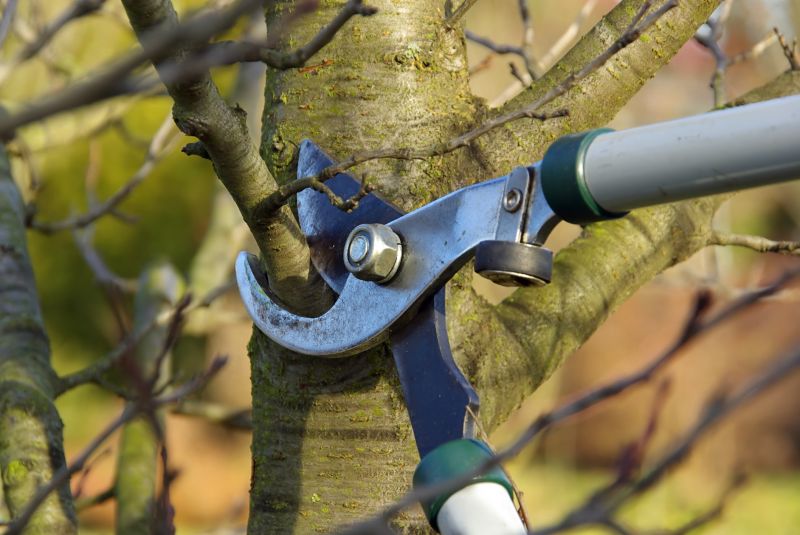 Tree trimming is a seasonal activity that enhances the health and appearance of trees, especially during the fall and winter months. The right tools and products can make the process safer and more efficient, whether you're pruning small branches or managing larger limbs. From hand tools to power equipment, there is a wide variety of products designed to support different trimming needs. Selecting appropriate products can help prevent damage to the tree, ensure safety during the process, and achieve the desired aesthetic or health outcomes.
Top Overall Option
Multi-Function Tree Trimming Kit
A versatile tree trimming kit that includes a variety of pruning tools, loppers, and safety gear, designed to accommodate different trimming tasks with ease. Its durable construction and ergonomic design aim to provide comfort and efficiency, making it suitable for both casual homeowners and professional landscapers.
Types of Products For Tree Trimmings
Pruning Shears
Handheld tools ideal for trimming small branches and shaping trees with precision.
Loppers
Long-handled cutting tools suitable for reaching and trimming thicker branches.
Pruning Saws
Specialized saws designed for cutting through larger limbs safely and efficiently.
Pole Pruners
Extendable tools that allow trimming of high branches without the need for ladders.
Chainsaws
Power tools used for heavy-duty cutting of large limbs or fallen branches.
Hedge Trimmers
Electric or gas-powered tools for trimming dense foliage and shaping hedges.
Safety Gear
Protective gloves, goggles, and helmets to ensure safety during trimming activities.
Tree Stands and Ladders
Support equipment to reach higher branches safely and comfortably.
Debris Bags and Chutes
Tools for collecting and managing trimmed branches and leaves efficiently.
Cordless Electric Trimmers
Battery-operated tools offering mobility and ease of use for various trimming tasks.
Manual Hand Saws
Compact saws suitable for quick, small cuts and detailed trimming.
Grafting Tools
Specialized tools for tree repair and propagation activities.
Popular Choices
Cordless or corded models that extend reach for trimming tall branches with minimal effort.
Popular for their clean cuts and ease of use on small to medium branches.
Designed for tackling thicker branches with leverage and durability.
Portable power tools favored for their versatility and convenience in limb removal.
Safety equipment that provides secure access to higher branches for trimming.
Popular for shaping and maintaining dense shrubbery and smaller trees.
Essential protective gear for professional or frequent trimming activities.
Ideal for reaching awkward or high branches without ladders.
Portable ladders that offer stability for trimming lower to mid-height branches.
Equipment used to process trimmed branches into mulch or chips.
Lightweight tools for quick trimming of smaller high branches.
Products used to stabilize or support weak or damaged branches.
Tools to catch falling branches and leaves, making cleanup easier.
Proper tree trimming involves more than just cutting; it requires understanding the structure of the tree and using the right tools for specific tasks. For example, delicate pruning may involve smaller, precise tools, while larger branches might need stronger, more durable equipment. Safety gear is also essential to protect against falling debris or accidental cuts. Investing in quality products can facilitate a more controlled and effective trimming process, contributing to the overall health of your trees.
Whether you are a homeowner managing a few ornamental trees or a professional landscaper working on larger projects, having a comprehensive set of trimming products is beneficial. Consider your specific needs, the types of trees you are working with, and the scale of your trimming activities. Proper maintenance and timely trimming can promote growth, improve safety around your property, and maintain the aesthetic appeal of your landscape. Keeping your tools sharp, clean, and well-maintained is also key to achieving the best results.
Key Buying Considerations
- Identify the types and sizes of branches you need to trim to select appropriate tools.
- Consider the reach needed for high branches and whether extendable tools are necessary.
- Evaluate the power source—manual, electric, or gas—based on your frequency of use and mobility requirements.
- Prioritize safety features such as ergonomic handles, safety locks, and protective gear compatibility.
- Check the durability and quality of materials, especially for tools exposed to outdoor conditions.
- Assess the weight and balance of tools for comfortable handling during extended use.
- Look for blades and cutting surfaces that are easy to sharpen and maintain.
- Determine storage options for your tools to keep them organized and protected.
- Review user feedback and ratings to gauge reliability and performance.
- Consider budget constraints while balancing quality and features.
- Ensure compatibility of safety gear with your existing equipment.
- Think about the environmental conditions in your area—wet, windy, or rugged terrain may influence your choice.
- Decide if additional accessories like debris bags or extension poles are needed for your tasks.
- Evaluate whether you prefer corded or cordless electric tools for convenience and power.